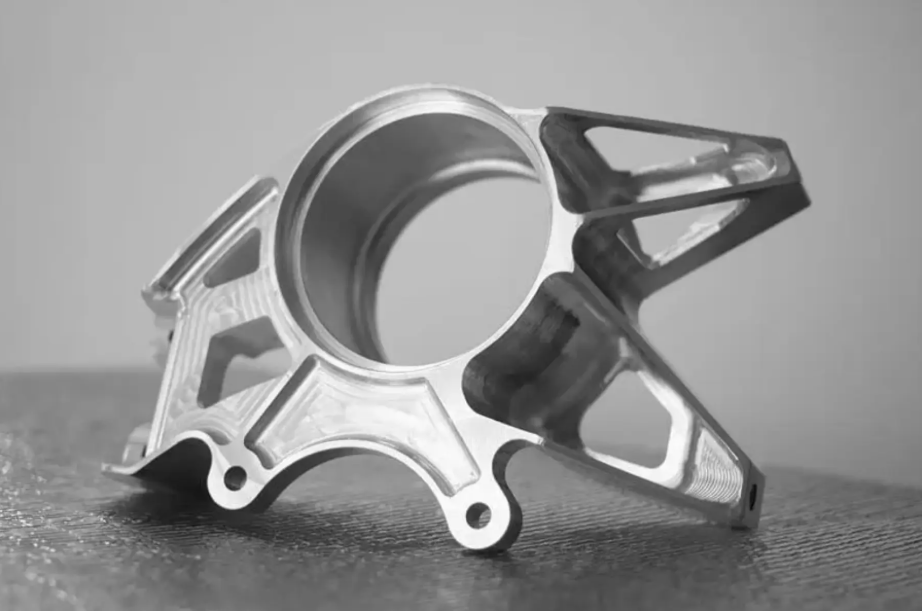
Selecting the right manufacturing process is essential when producing aluminium components that require high strength, durability, and reliable performance. Aluminium forging, casting, and CNC machining are three common manufacturing methods, but each process provides different advantages depending on part design, mechanical requirements, production volume, and cost expectations.
For industries such as automotive, aerospace, machinery, and industrial equipment, choosing the correct process can directly affect component performance and service life.
Aluminium forging is often selected for applications requiring improved strength and structural reliability, while casting and machining may provide advantages in other situations. Understanding the differences between these processes helps engineers and procurement teams choose the most suitable manufacturing solution.

Aluminium Forging vs Casting vs Machining: The Short Answer
The main difference between aluminium forging, casting, and machining is how the final component is formed.
Aluminium forging uses controlled deformation to shape aluminium under pressure, improving material structure and mechanical performance. It is often considered for components where strength and fatigue resistance are important.
Casting creates parts by pouring molten aluminium into molds. This method allows more complex shapes and can be suitable for larger production quantities or components with complicated geometries.
CNC machining removes material from aluminium blocks or blanks to achieve precise dimensions and surface finishes. It is commonly used for prototypes, low-volume production, and components requiring tight tolerances.
The right process depends on:
How the Three Manufacturing Processes Differ
Each manufacturing method has different characteristics in terms of production approach and final component performance.
| Manufacturing Process | Main Advantage | Common Considerations |
| Aluminium Forging | High strength and improved material structure | Requires suitable tooling and process control |
| Casting | Complex shapes and flexible designs | May require additional inspection and finishing |
| CNC Machining | High precision and excellent surface finish | Material waste can be higher |
For casting applications, methods such as sand cast aluminium can provide practical solutions for components requiring flexible designs and larger dimensions.
CNC machining provides excellent dimensional accuracy because material is removed according to digital models. A professional CNC machining service can help achieve complex geometries and tight tolerances when machining is the preferred solution.
The best process depends on the balance between performance requirements, manufacturing efficiency, and project objectives.
Comparing Strength, Fatigue Life, Defect Risk and Part Geometry
Material performance is one of the most important differences between forging, casting, and machining.
Forged aluminium components usually benefit from improved grain structure because the material is mechanically shaped during production. This can contribute to higher strength and fatigue resistance in demanding applications.
Casting provides advantages in design flexibility because molten aluminium can fill complex mold shapes. However, casting processes require careful control to reduce potential issues such as porosity, shrinkage, and internal defects.
Machined aluminium parts can achieve excellent dimensional accuracy and surface quality, but the final performance depends on the original material condition and component design.
When selecting a process, engineers should evaluate:
Mechanical load requirements
Expected fatigue conditions
Part geometry complexity
Required surface finish
Internal quality expectations
A component designed for repeated stress may require different manufacturing considerations compared with a decorative or low-load part.
Tooling Cost, Production Volume, Material Waste and Lead Time
Manufacturing cost is influenced by more than the production method itself. Tooling investment, production quantity, material usage, and delivery requirements all affect the final decision.
Forging may require dedicated tooling but can provide advantages in repeat production where component strength is critical. Casting may reduce manufacturing costs for complex shapes, especially when production volume is high.
CNC machining usually requires less initial tooling but may involve higher material waste because the final shape is created by removing material.
For procurement teams, the best process should be evaluated based on the complete manufacturing cycle rather than only the initial quotation.
How to Select a Process and Prepare an Accurate RFQ
A clear RFQ helps manufacturers recommend the most suitable aluminium manufacturing process.
Before requesting a quotation, buyers should prepare:
Component drawings and dimensions
Aluminium alloy requirements
Mechanical performance expectations
Surface finish requirements
Production quantity
Inspection and testing requirements
Delivery schedule
Providing complete technical information allows suppliers to evaluate whether forging, casting, or machining is the most appropriate solution.
For high-performance aluminium components, working with an experienced manufacturer can also help optimize material selection and production planning.
Conclusion
Choosing between aluminium forging, casting, and CNC machining depends on the required strength, design complexity, production volume, and cost considerations. Forging is often preferred for high-strength applications, while casting and machining provide advantages for different design and production needs. By evaluating component requirements and preparing accurate RFQ information, companies can select a manufacturing process that delivers reliable aluminium parts.
FAQ About Aluminium Part Manufacturing
1. Is aluminium forging stronger than casting?
Generally, forged aluminium parts can provide improved mechanical properties due to their material structure, but the suitable process depends on the application requirements.
2. When should CNC machining be selected for aluminium parts?
CNC machining is suitable when high dimensional accuracy, complex details, or low-volume production are required.
3. Is casting cheaper than forging?
The cost depends on tooling, production volume, part complexity, and material requirements. Different applications may favor different processes.
4. How should buyers choose an aluminium manufacturing supplier?
Buyers should evaluate manufacturing capability, quality control, material experience, inspection methods, and experience with similar components.