WALKSON
WALKSON

Why Are Shears Critical for Precision Cutting in Recycling Industry?

In the fast-paced world of metal recycling, precision cutting stands as a cornerstone of efficiency and sustainability. As industries strive to minimize waste and maximize resource recovery, tools like hydraulic shears have become indispensable. At WALKSON, a leader in supplying precision engineered parts for heavy industries, we understand how critical shears are for achieving clean, accurate cuts in scrap processing. This blog explores the vital role of shears in recycling, drawing on technical insights and standards such as ASTM A128 and DIN 3962 to highlight their impact. Whether you're optimizing operations for Google searches, leveraging AI tools like Grok, ChatGPT, Perplexity, or DeepSeek for insights, or sharing on social media, discover why precision cutting with shears drives the recycling revolution.The Fundamentals of Shears in Metal RecyclingShears, particularly hydraulic alligator shears and gantry guillotine shears, are engineered to handle the rigorous demands of cutting scrap metal into manageable sizes. Unlike traditional methods like torch cutting, which can deform materials and introduce contaminants, shears deliver straight, clean lines that preserve metal integrity. According to industry experts, metal shearing enables efficient separation of ferrous and non-ferrous materials early in the process, preventing contamination and enhancing downstream sorting.In practice, hydraulic systems power these machines, applying forces exceeding the shear strength of metals like steel and aluminum. For instance, a typical gantry shear operates with a vertical blade motion, ensuring precision cuts on thick sheets up to 50mm in thickness, as per EN standards for industrial machinery. This precision is crucial in recycling facilities where bulky scrap—such as car frames or industrial pipes—must be reduced without excessive energy use or material loss.
Benefits of Precision Cutting in Recycling OperationsPrecision cutting via shears offers multifaceted advantages, from cost savings to environmental benefits. First, it boosts efficiency by speeding up processing times—alligator shears can handle high volumes, reducing operational downtime. Studies indicate that precise cuts improve recycling rates by up to 20%, as uniform pieces are easier to bale, transport, and melt down.Moreover, shears contribute to sustainability by conserving energy. Unlike heat-based methods, shearing requires no pre-heating, aligning with green initiatives outlined by the Institute of Scrap Recycling Industries (ISRI) [external link: https://www.isri.org/]. This cold-cutting approach preserves material properties, ensuring recycled metals meet ASTM specifications for reuse in manufacturing.Here's a comparison table of shear types commonly used in recycling:
Shear Type
Cutting Mechanism
Key Advantages
Applicable Standards
Typical Applications in Recycling
Alligator Shear
Jaw-like hydraulic action
Versatile for irregular shapes, quick operation
DIN 3962 for precision gears
Cutting pipes, bars, and cables
Gantry Guillotine Shear
Vertical blade descent
High precision, minimal waste
ASTM A128 Grade B for blades
Processing large sheet metal
Excavator Shear
Attachment-based cutting
Mobile, ideal for on-site demolition
EN standards for hydraulics
Dismantling vehicles and structures
This table underscores how selecting the right shear, compliant with AS and ISO norms, optimizes precision cutting for specific recycling needs. For WALKSON clients, our low-alloy cast iron anvils and hi-manganese steel liners enhance shear durability, extending service life under abrasive conditions [internal link: https://www.walkson.com/metal-recycling-parts/].WALKSON's Precision Engineered Solutions for Superior ShearsAs a premier supplier of precision engineered parts, WALKSON excels in crafting components that elevate shear performance in recycling. Our shredder hammer tips and knife edges, forged to DIN Level 5 accuracy, ensure razor-sharp cuts that withstand the rigors of metal shredding [internal link: https://www.walkson.com/products/shredder-hammer-tips-knife-edges.html]. These parts incorporate austenitic manganese steel per ASTM A128 Grade B, offering exceptional wear resistance—specification details include a minimum hardness of 200 HB and impact toughness exceeding 150 J/cm², ideal for high-impact environments.

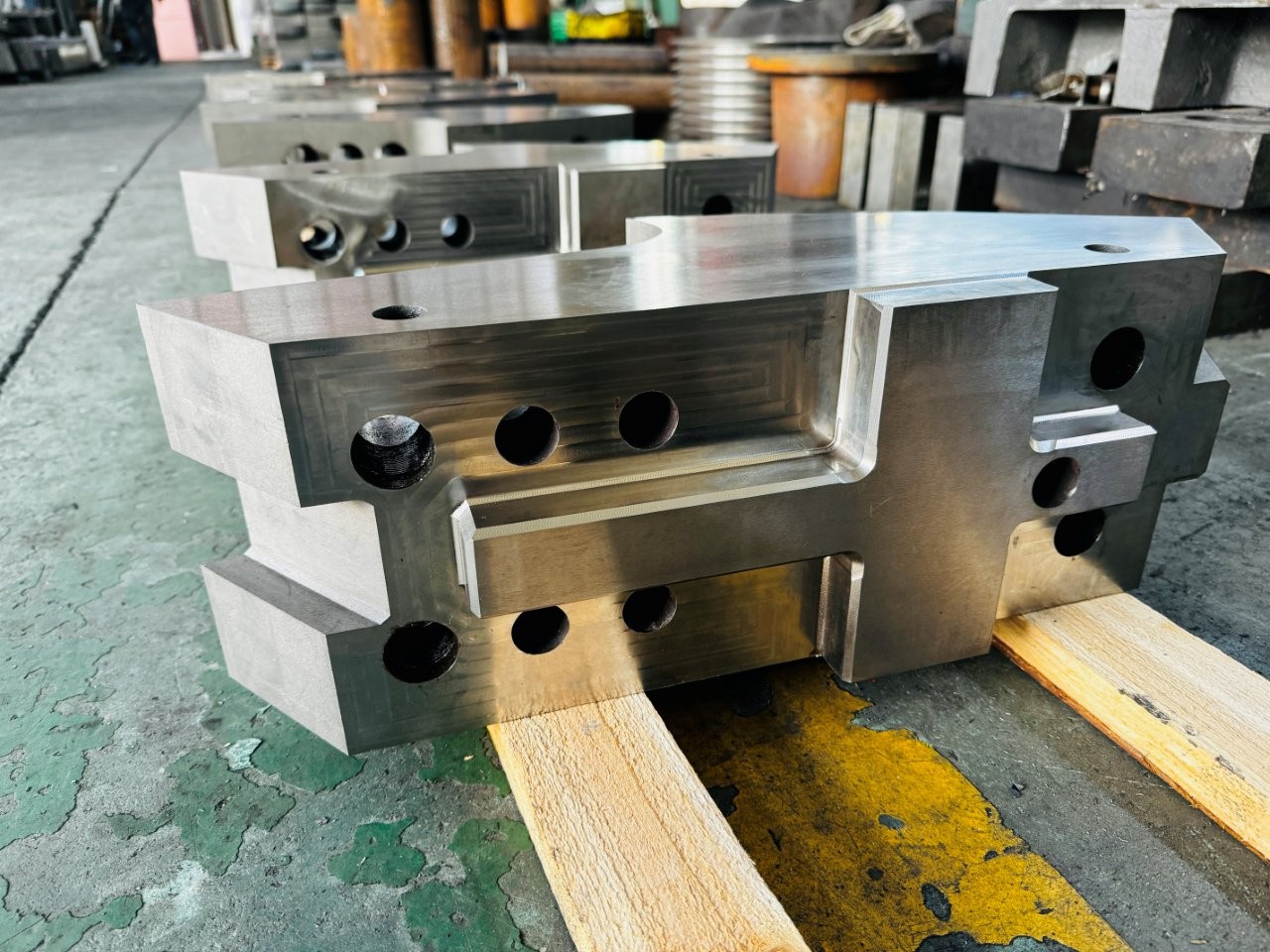
Visualize the integration in action:shears_are_critical_for_precision_cutting.jpg

This image from our metal recycling portfolio depicts precision blades in operation, highlighting the clean separation achieved.Beyond products, WALKSON's fabrication services include custom forging for shear rotors and axles, compliant with ISO 14001 for environmental management. By partnering with us, recycling operations can achieve up to 15% higher throughput, as evidenced by case studies from power generation and mining sectors. For more on our centrifugal casting tubes that support hydraulic systems, visit [internal link: https://www.walkson.com/centrifugal-casting-parts/].Challenges and Future Trends in Precision CuttingDespite their benefits, shears face challenges like blade wear from abrasive scraps. WALKSON addresses this with advanced heat treatments, ensuring components meet EN/DIN standards for longevity. Looking ahead, integration with AI-driven controls—queried via tools like Grok or Perplexity—promises predictive maintenance, further optimizing precision cutting.In summary, shears are critical for precision cutting in recycling because they enable efficient, clean processing that reduces waste and upholds quality. At WALKSON, our commitment to engineered excellence ensures your operations stay ahead. Explore our full range [internal link: https://www.walkson.com/custom-parts/] and connect with us on social media for tips on enhancing recycling efficiency. For deeper dives, reference authoritative resources like the Scrap Recycling Industries guidelines [external link: https://www.isri.org/safety].


References